When the power goes off in Kisii, it seems to happen at the worst moment: in the middle of a match, during evening study, or with a fridge full of stock. If you're tired of it, you have four main options. Here's how they compare for homes and businesses in Kisii and the wider Gusii highlands.
Option 1: Petrol or diesel generator
Good for: heavy loads such as welding, big pumps and posho mills, and long outages.
Downsides: fuel costs every time it runs, noise, fumes, servicing, and someone has to start it, so there's a gap before power returns. Generators are also a theft target.
Option 2: Inverter and battery (no panels)
An inverter charges batteries from the grid while power is on and runs your house from them when it goes off.
Good for: short, occasional blackouts.
Downsides: it only refills when KPLC is on, so a long outage or several in a row leaves you flat. It doesn't reduce your bill.
Option 3: Small UPS units
Good for: keeping a computer, router or POS alive for minutes to an hour.
Downsides: too small to run a home or shop.
Option 4: Hybrid solar with lithium batteries (our pick)
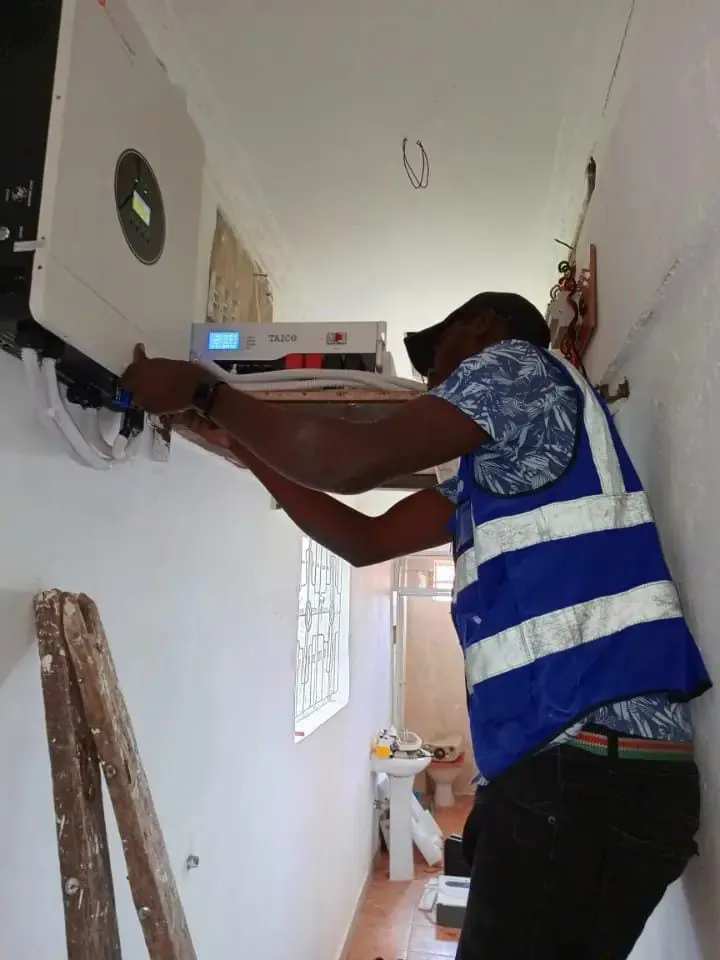
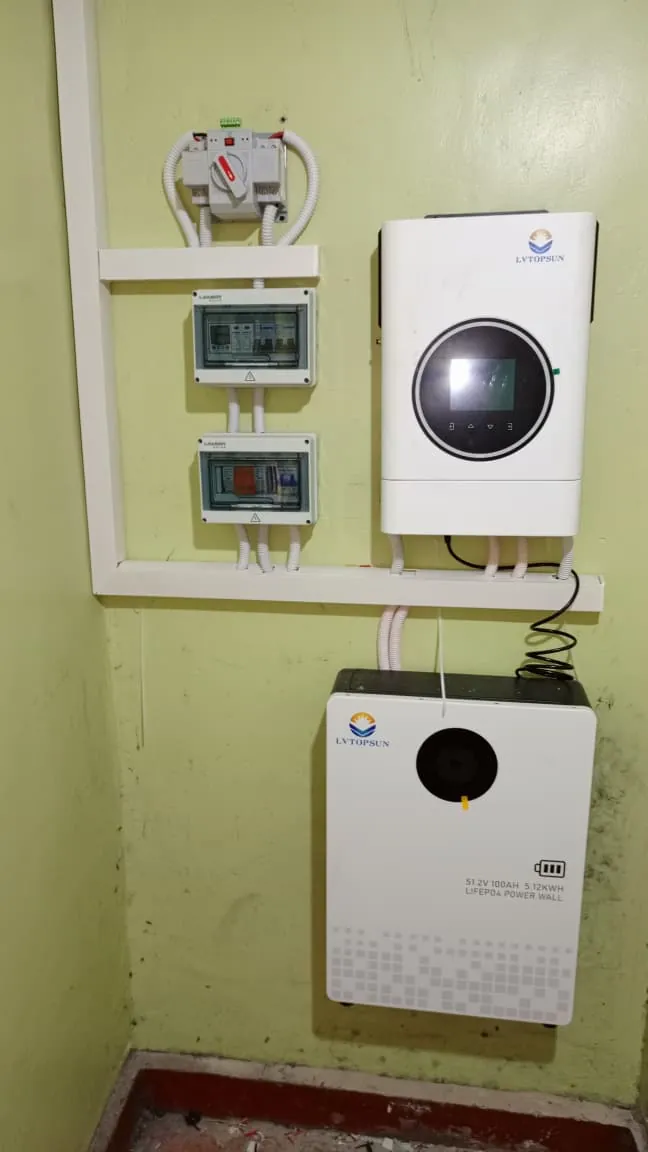
A hybrid system combines panels, batteries and the grid. It runs your loads from the sun by day, charges the batteries, and switches to battery the moment KPLC goes off.
- Instant switch-over. Lights, TV and computers usually don't even flicker.
- Silent, no fuel, no one needs to start it.
- Refills itself from the sun, so it keeps going through long outages.
- Cuts your bill, because your daytime load runs on solar.
- Can still top up from the grid after cloudy days.
It costs more upfront than a generator or a basic inverter, but there is no fuel bill, and it lowers your power bill every month.
What's different about Kisii
Rain and cloud
The Gusii highlands are green because they're wet. In the long rains you can get several dull days in a row. That means:
- Size panels with some margin, so batteries refill quickly when the sun returns.
- Size batteries for your critical night loads, not everything.
- Choose a hybrid inverter that can top up from the grid during a long cloudy spell.
Lightning
Kisii and the surrounding highlands get a lot of lightning. Surge protection on the panel and grid side, proper earthing and good-quality breakers protect your inverter, batteries and every appliance in the house. Never accept a quote that leaves these out.
Hills and roofs
Steep compounds, shading from trees and neighbouring buildings, and tiled roofs are common. A site survey checks where panels get the most sun through the day.
What should you keep running?
The biggest money-saver is deciding what really needs backup:
- Homes: lights, TV, fridge, Wi-Fi, phone charging and a few sockets. Keep cookers, kettles, irons and instant showers on the grid or gas.
- Shops: lights, fridges and freezers, POS, CCTV and Wi-Fi.
- Schools, clinics and churches: offices, labs, vaccine fridges, sound systems and security lighting.
See our guide on what solar costs for a home for help with sizing.
Our recommendation
For most Kisii homes and small businesses: a hybrid inverter, lithium battery storage sized for your evening and night loads, enough panels for the highland weather, and full surge and earth protection. Keep a small generator only if you run heavy machinery.
We'll survey your site for free, list exactly what we'd keep running, and send an itemised quote. Learn more about solar installation in Kisii.