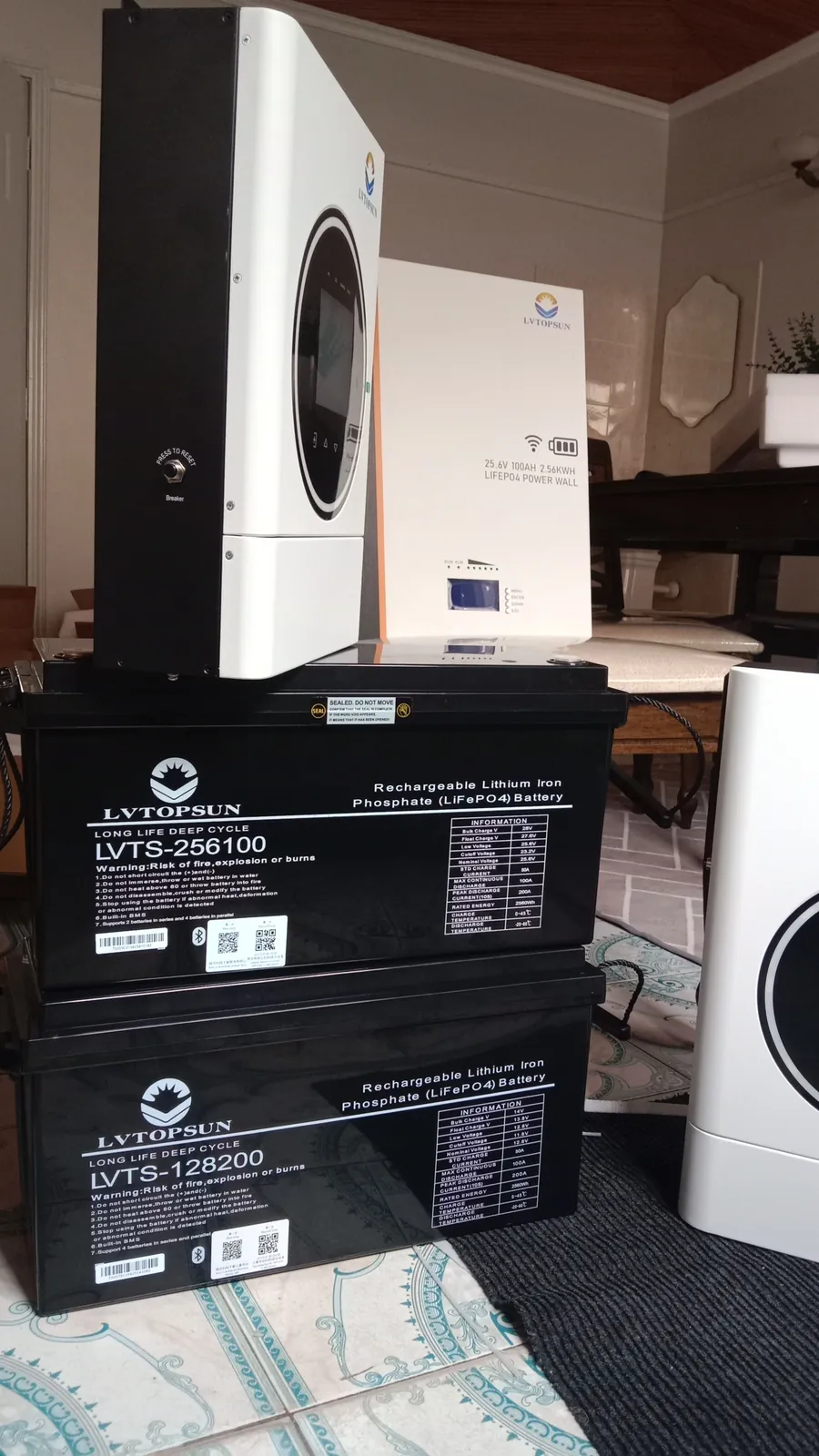
"How much is solar?" is the first question almost everyone asks us, and the honest answer is: it depends on what you want it to do. A system that runs a few bulbs and charges phones costs a fraction of one that keeps a fridge, TV, Wi-Fi and borehole pump going all night. This guide explains what drives the price, so you can budget sensibly and compare quotes fairly.
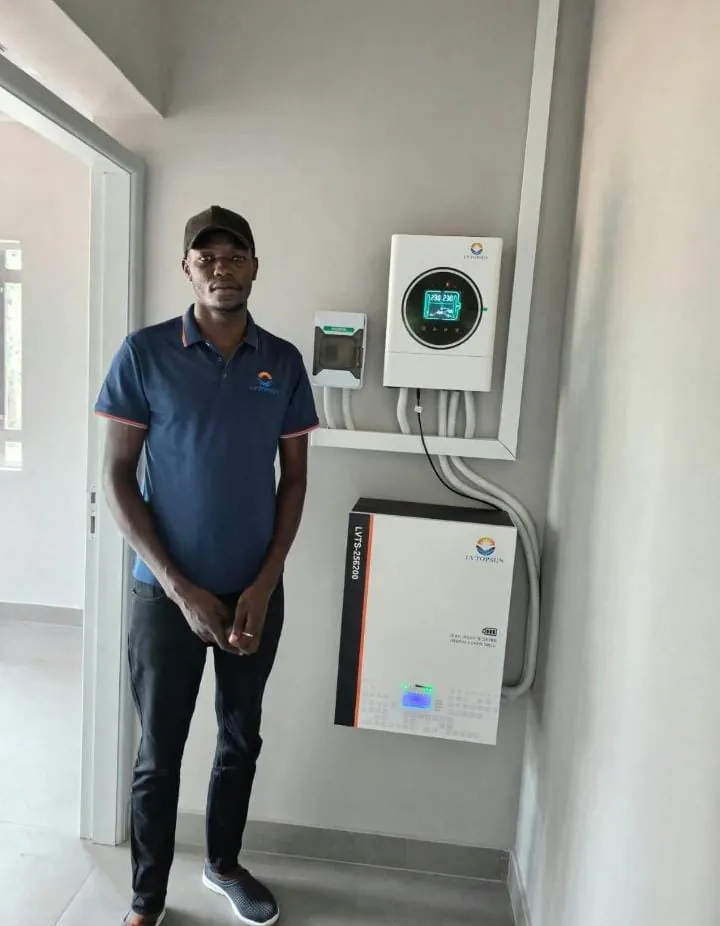
The four parts of a home solar system
- Panels turn sunlight into electricity. Panel prices have fallen a lot over the years, and they are rarely the biggest cost.
- Batteries store power for the night and for blackouts. This is usually the single biggest cost, and the most important choice you make.
- Inverter turns battery power into normal 240 V household power. A hybrid inverter also manages the grid, panels and batteries together.
- Installation and protection: mounting, cables, breakers, surge protection, earthing and labour. Cutting corners here is what causes fires and early failures.
What actually decides your price
1. Your daily energy use
Solar is priced by energy (watt-hours), not by the number of rooms. Add up what you run:
| Appliance | Typical power | Hours/day | Energy/day |
|---|---|---|---|
| 6 LED bulbs | 10 W each | 5 | 300 Wh |
| TV + decoder | 80 W | 5 | 400 Wh |
| Fridge | varies | runs on and off | 1,000–1,500 Wh |
| Wi-Fi router | 10 W | 24 | 240 Wh |
| Phones and laptop | - | - | about 200 Wh |
| Total | about 2.2–2.6 kWh | ||
The figures are typical, so check your own appliance labels. A home using about 2.5 kWh a day needs a much bigger system than one using 0.5 kWh for lights and a TV.
2. How long you want backup
Do you want power through an evening blackout, through the whole night, or for two cloudy days in a row? Every extra hour of backup means more battery, and battery is the most expensive part.
3. Lithium or lead-acid batteries
Lead-acid batteries cost less upfront but should only be drained about halfway, and typically need replacing within a few years. Lithium iron phosphate (LiFePO4) batteries cost more at the start, but you can use most of their capacity and they last for thousands of cycles. Over ten years, lithium is usually the cheaper choice, because you don't buy batteries twice or three times.
4. Heavy appliances
Electric cookers, kettles, irons, instant showers and water heaters use a lot of power in a short time. Putting them on solar can double the size, and the cost, of a system. Most families keep these on the grid or gas and put everything else on solar.
5. Your roof and site
Tin roofs are simple. Tiles, concrete roofs, ground mounts, long cable runs and multi-storey houses add time and materials. The free survey checks this.
6. Protection and quality
Breakers, surge arresters and proper earthing are not optional, especially in the Kisii highlands, where lightning is common. A quote that leaves them out looks cheaper but isn't.
How to avoid overpaying
- Size from your real loads, not from a "3 bedroom package".
- Separate the heavy loads. Decide what truly needs backup.
- Compare battery capacity in kWh, not just the number of batteries.
- Ask for an itemised quote with brands, sizes and the protection included.
- Check the installer is licensed. In Kenya, solar PV technicians are licensed by EPRA. Our team includes a licensed solar technician.
- Plan for growth. If you'll add a freezer or pump later, choose an inverter with room to expand.
Does solar pay for itself?
For most homes, yes, in two ways. First, it cuts your monthly power bill, because the panels run your daytime load. Second, it saves what blackouts cost you: spoiled food, generator fuel, damaged electronics and lost working hours. Exactly how fast it pays back depends on your bill and how often power goes off where you live.
Get a figure for your home
Send us a list of your appliances (or photos of their labels), your town and how long you want backup. We'll size it and send an itemised quote, and the site survey is free. Learn more about our solar installation service, or read about the best backup for KPLC blackouts.