Power that stays on when the grid doesn't
Blackouts cost money. A shop loses sales, a clinic loses vaccines, a school loses study time, and at home the fridge, TV and Wi-Fi all go dark. A well-sized solar system keeps the things that matter running, day and night, and cuts your monthly Kenya Power bill too.
We install three kinds of system:
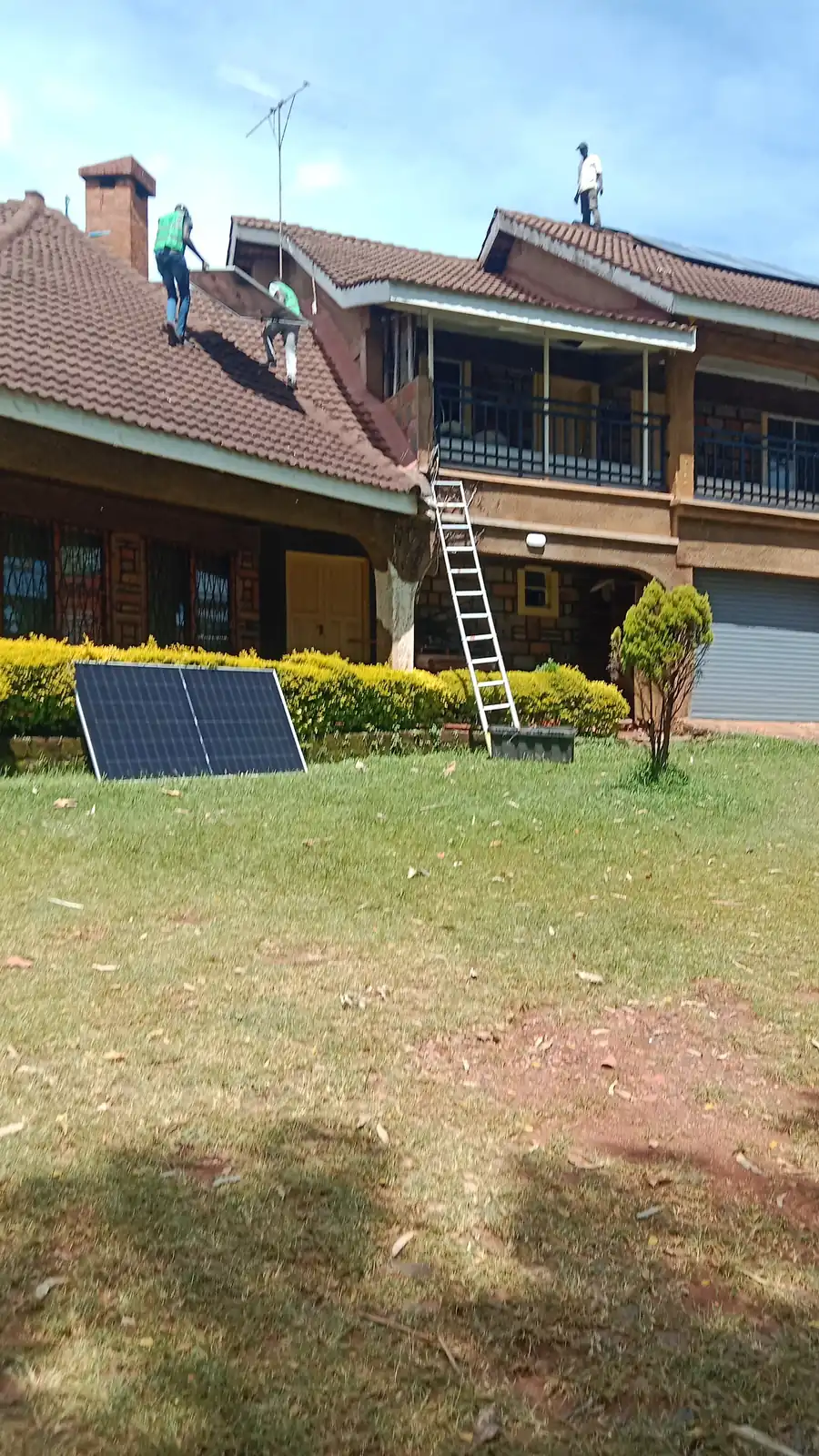
- Home solar backup. Lights, TV, fridge, Wi-Fi, phone charging and a few sockets keep working through outages.
- Business solar. Shops, salons, cyber cafés, offices, posho mills and hardware stores keep trading when the grid fails.
- Institutional solar. Schools, colleges, hospitals, churches and hotels get larger hybrid systems that share the load with the grid and a generator.
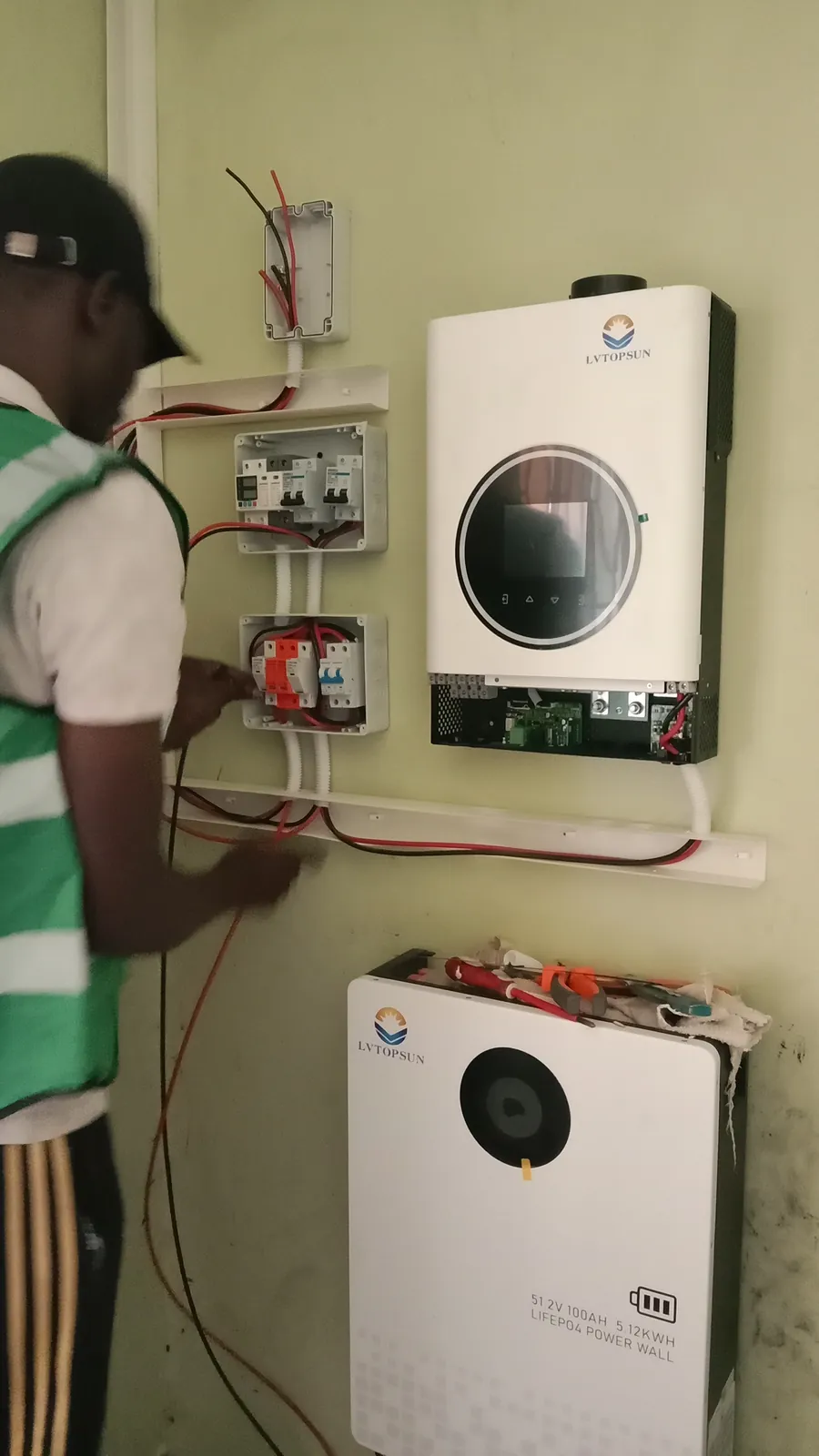
Most systems we fit are hybrid. A hybrid inverter takes power from the panels first, charges the batteries, and only draws from the grid when it has to. When KPLC goes off, it switches over in a moment, so your computers and TV don't even notice.
How we size your system
The right size depends on what you want to run and for how long. Too small and the batteries run flat by midnight. Too big and you pay for power you never use. This is how we work it out:
- List your appliances. Write down each one and roughly how many hours a day you use it. A photo of the labels helps.
- Work out daily energy. Watts × hours = watt-hours. Six 10 W bulbs for 5 hours is 300 Wh. A TV of 80 W for 5 hours is 400 Wh. A fridge uses about 1,000 to 1,500 Wh a day.
- Size the battery. The battery has to cover the night and any cloudy spells. Lithium batteries give you most of their stored energy; lead-acid should only be run to about half.
- Size the panels. Nyanza gets roughly 4 to 5 hours of strong sun a day, less in the long rains. The panels must refill the battery and run your daytime load in that time.
- Choose the inverter. It must handle everything that can run at the same time, plus the start-up surge of motors and fridges.
Heavy heat loads such as electric cookers, kettles, irons, instant showers and water heaters use a lot of power. We usually keep these on the grid or gas, because putting them on solar makes the system much bigger and dearer.
What affects the cost of solar
We don't publish package prices, because two homes that look the same can need very different systems. These are the things that change the quote:
- Your daily energy use and how many hours of backup you want.
- Battery type and size. Lithium costs more at the start but lasts far longer than lead-acid.
- Inverter size and quality. Larger loads and motors need a stronger inverter.
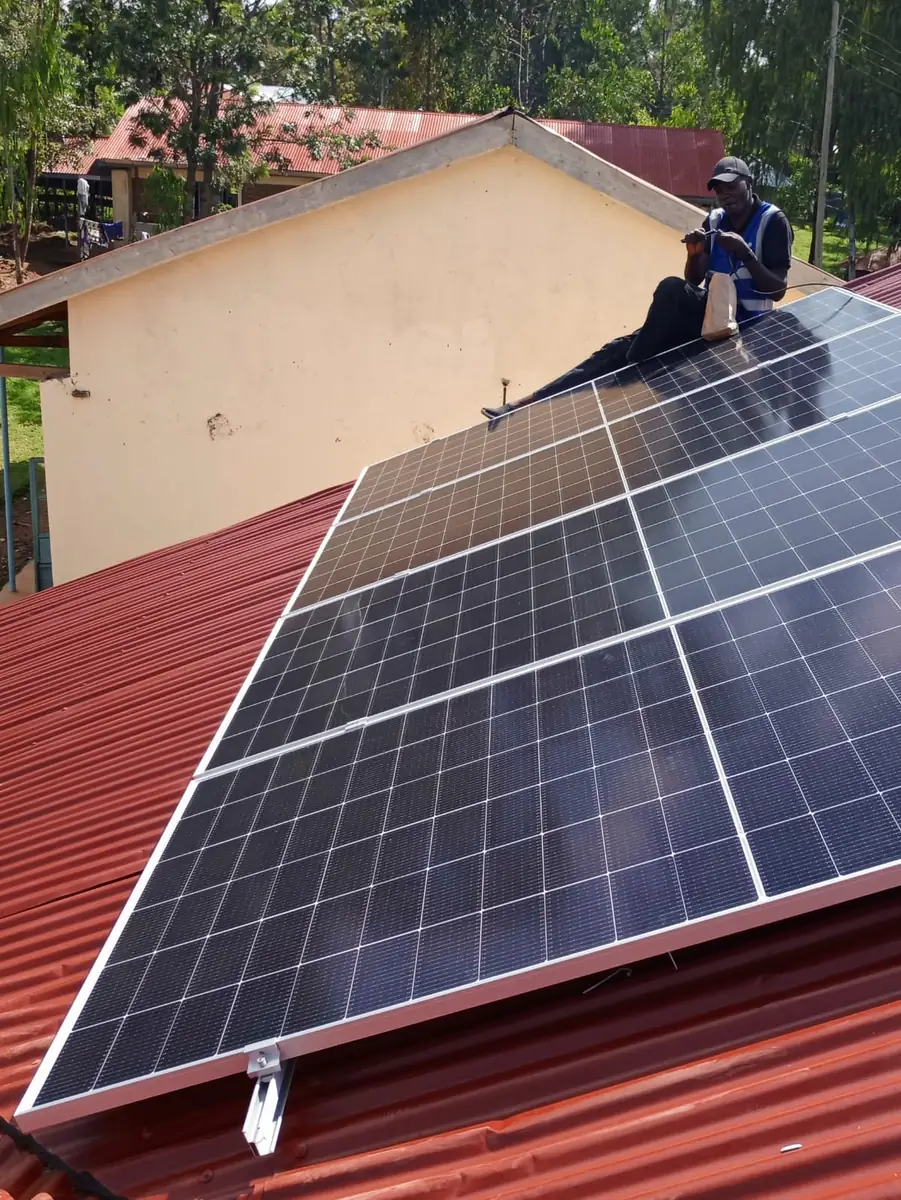
- Roof and mounting. Tin, tile or concrete roofs, ground mounts and cable runs all differ.
- Protection. Breakers, surge protection and proper earthing matter here, because the Kisii highlands see a lot of lightning.
- Distance from Kisii for sites far out in the region.
Every quote is itemised, so you can see exactly what you are paying for. For a deeper look, read how much solar costs for a home in Kenya.
Lithium or lead-acid batteries?
For most customers we recommend lithium iron phosphate (LiFePO4) batteries. They are rated for thousands of charge cycles, need no topping up, charge faster and can be used almost to empty without damage. Lead-acid batteries cost less upfront but usually need replacing after a few years. If you want the lowest starting cost we can quote both, so you can compare.
Sourced to your spec, installed fast
We don't sell whatever happens to be on the shelf. Once you approve the quote, we order the exact panels, inverter and batteries your site needs, then install, test and show you how to read the inverter screen. Our team includes a licensed solar technician. In Kenya, solar PV technicians are licensed by EPRA (the Energy and Petroleum Regulatory Authority), so ask to see the licence when we visit.
Looking after your system
- Rinse dust and bird droppings off the panels every few weeks in the dry season. Use water and a soft brush, never soap or a hard scrubber.
- Keep batteries in a cool, ventilated spot, away from direct sun.
- Check the inverter screen now and then. If the battery isn't reaching full by afternoon, call us.
- Book a check-up once a year so we can test connections, earthing and battery health.
Need lighting for a gate, compound or road? See our solar floodlights and street lights. Want to see your property while the power is out? Pair your solar with CCTV.